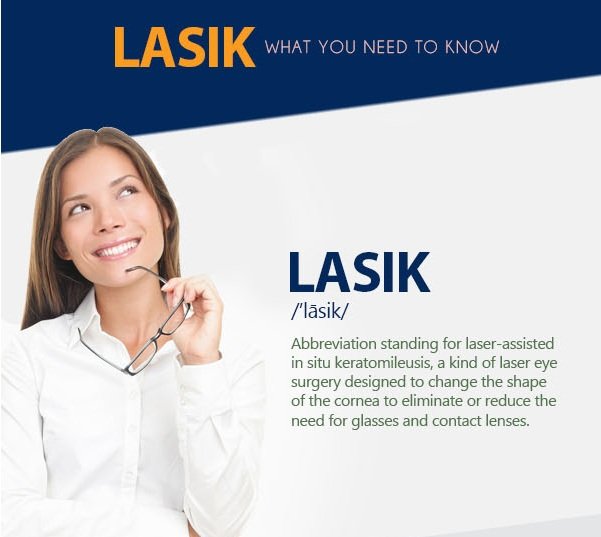
Recently, developments in vision correction surgery have changed the method of vision correction. One of the most prominent procedures gaining popularity is SMILE laser eye surgery, a minimally invasive technique that offers a painless path to gaining optimal vision. This innovative method specifically targets nearsightedness, or nearsightedness, and provides an suitable alternative to standard procedures like Lasik and PRK surgery.
As a growing number of people seek to enhance their eyesight without the hassle of eyewear or contacts, understanding the nuances of SMILE becomes essential. In this guide, we will explore what SMILE entails, its advantages, risks, and how it contrasts to other vision correction procedures. Whether you're considering the SMILE eye surgery for shortsightedness or wondering if you're a candidate, this all-encompassing guide aims to supply you with all the details you need to make an wise decision about your eye health.
Comprehending SMILE Ocular Surgery
Small Incision Lenticule Extraction , which is an acronym for Small Incision Lenticule Extraction, is a groundbreaking surgical procedure aimed primarily at correcting nearsightedness, commonly referred to as myopia. This innovative procedure employs a precision laser to form a slender lens, or lenticular structure, within the corneal tissue. Once created, the lenticule is carefully extracted through a minimal incision, recontouring the cornea to improve sight. Individuals often express satisfaction at the idea of a painless and quick recovery, which signifies a significant advantage over conventional techniques.
One of the standout features of this procedure is its no-blade approach. In contrast to traditional LASIK, which requires the creation of a corneal flap, SMILE utilizes just a minimal incision, lessening the risk of issues and facilitating faster healing. With less disruption to the nervous system of the cornea and a less invasive technique, many patients experience less pain and a quicker return to their daily activities. By focusing on only the necessary area of the cornea, this innovative surgery reduces the impact on surrounding tissues, making it a desirable choice for many seeking vision correction.
As with any medical procedures, prospective patients must evaluate if they are qualified for SMILE surgery. Ideal candidates generally include those with stable prescriptions and significant nearsightedness, though a thorough eye exam is essential to determine candidacy. Understanding the benefits and drawbacks, including possible side effects, can help individuals make informed decisions regarding their vision correction options. Overall, this advanced procedure presents an improved and effective solution for those looking to attain better eyesight without the inconvenience of spectacles or contact lenses.
Benefits and Risks of SMILE
One of the main benefits of SMILE eye surgery is its minimally invasive nature. Unlike traditional LASIK, which involves creating a flap in the cornea, the SMILE procedure needs only a tiny incision. This bladeless technique reduces the chance of complications associated with flap creation and leads to a faster recovery for patients. Many individuals experience fewer discomfort compared to other laser vision correction procedures, making SMILE an attractive option for those seeking effective treatment for nearsightedness.
Another significant advantage of SMILE surgery is the preservation of corneal strength. The procedure requires excis ing a tiny piece of corneal tissue, which maintains the integrity of the eye structure. This can lead to a reduced likelihood of long-term side effects and complications. Furthermore, the improved precision of the SMILE technique can result in a lower risk of dry eye syndrome, a common issue associated with laser eye surgeries.
However, there are risks associated with SMILE eye surgery. As with mouse click the next site , there is a chance of complications such as infection or undercorrection. While most patients attain satisfactory vision post-surgery, some may still need glasses or contact lenses for certain activities. https://shayla.federatedjournals.com/the-change-of-vision-comprehending-smile-ocular-surgery is important for prospective candidates to talk about these risks and their candidacy with a qualified eye care professional to ensure informed decision-making.
Comparing Small Incision Lenticule Extraction with Other Procedures
When considering laser eye surgery options, it's essential to compare Small Incision Lenticule Extraction with other common options like Laser-Assisted In Situ Keratomileusis and Photorefractive Keratectomy. Both Small Incision Lenticule Extraction and Laser-Assisted In Situ Keratomileusis focus on correcting nearsightedness, but they employ different methods. LASIK involves creating a flap in the cornea, while SMILE utilizes a small incision to extract a tissue lenticule, resulting in a less invasive approach. This difference can lead to faster recovery for patients undergoing SMILE and potentially fewer complications related to flap creation.
PRK, on the other hand, is a procedure that removes the outer layer of the cornea and reshapes the underlying tissue with a laser. Unlike Small Incision Lenticule Extraction, PRK does not involve creating an internal flap or incision, which can be advantageous for certain patients. However, Photorefractive Keratectomy typically has a longer recovery period compared to SMILE, as the surface of the eye takes longer to recover. For https://booker56ismael.bravejournal.net/beyond-glasses-this-smile-vision-improvement-surgical-procedure-experience concerned about post-operative healing and the potential for issues, SMILE might be the better option.
In terms of expenses, both SMILE and LASIK are similar, but the cost may differ depending on the clinic and location. It's important to consider what each procedure offers in terms of sustained advantages and possible complications. While SMILE generally has a reduced occurrence of specific issues, understanding the differences in technique and recovery can help patients make informed decisions about which treatment best suits their vision correction needs.
Cost and Recovery of SMILE Surgery
The price of SMILE eye surgery can vary significantly based on various factors, including the doctor's experience, the technology used, and the geographic location of the clinic. On average, patients may expect to pay from $2,000 to three thousand dollars per eye. It's essential to consult with a dedicated clinic to get an exact estimate that includes all potential expenses, such as pre-surgery consultations and post-operative appointments. Many clinics also provide payment plans to make the procedure more affordable.
Recovery from SMILE eye surgery is generally fast and simple. Patients usually experience improved vision within a few days, with many returning to their normal activities almost right away. Unlike traditional LASIK, which involves making a flap in the cornea, the SMILE surgery is less invasive and typically results in reduced pain and a lower risk of complications. Most people find that resume regular tasks, such as driving and returning to work, in a week.
It is important to follow post-operative care instructions to ensure the optimal possible healing and sight outcomes. Patients may experience some temporary symptoms, such as dry eyes or slight vision fluctuations, but these usually resolve within a short time. Regular check-up appointments with your eye care professional will help monitor your recovery and address any concerns, ensuring a seamless transition to clear vision.